Blog
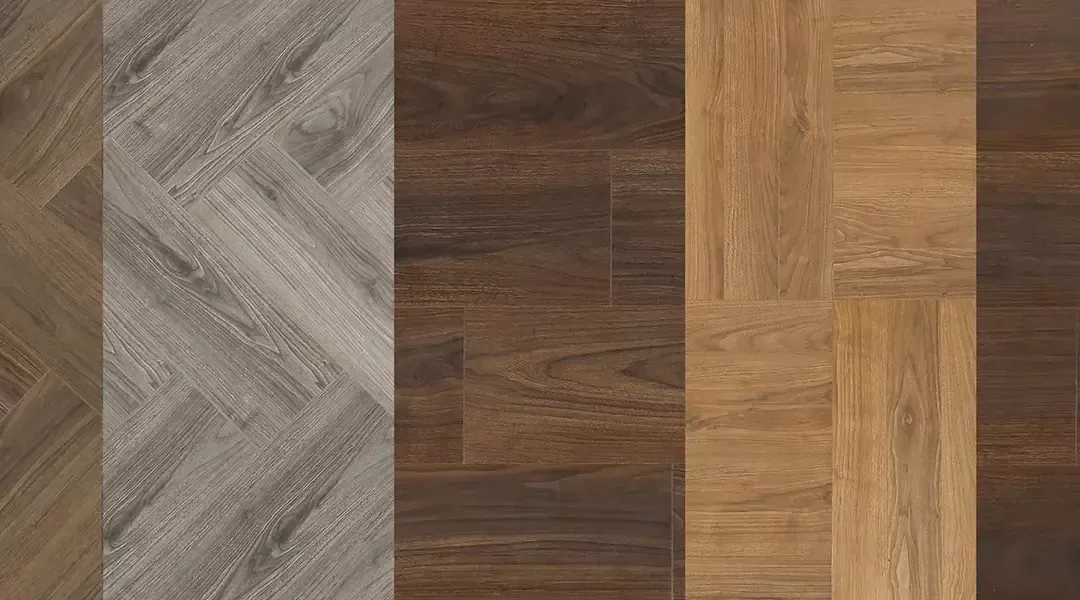
What is Laminate Flooring, Its Structure and Types?
In this blog, we will talk about the types of laminate flooring.
Laminate flooring is produced by pressing high-density wood fibers (HDF boards). Its surface is covered with decorative paper and reinforced with a transparent protective layer (corundum coating). Thanks to this layer, the flooring looks aesthetically pleasing. In addition, it is resistant to abrasion, stains, and moderate moisture.
The history of laminate flooring
- 1977: The world’s first laminate flooring was created in Sweden (PERGO brand).
- 1980: Laminate flooring was introduced to the market as a new product.
- Late 1980s: It was improved in terms of quality and design and gained popularity among flooring materials.
- Since the 1990s: It became widely used across European countries in homes, offices, and public spaces.
- Later period: International standards for laminate flooring production (for example, EN 13329:2000) were adopted. This further improved product quality.
- Today: Laminate flooring is one of the most popular flooring materials in the world. It is used in both residential and public spaces.
Why did laminate flooring spread so quickly?
- Affordable price: It was cheaper than natural parquet.
- Easy installation: It could be installed quickly with a locking system.
- Aesthetic appearance: It imitated natural wood and stone patterns.
- Durability: It was resistant to abrasion and moderate moisture.
Structure and types of laminate flooring
Laminate flooring consists of four main layers:
- Bottom layer (balance layer): Prevents moisture and provides floor stability.
- Middle layer (HDF board): Made of pressed wood fibers that provide the main durability.
- Decorative layer: Specially treated paper with wood or stone patterns. This paper is soaked in melamine, making it water-resistant. The decorative layer creates an aesthetic appearance.
- Top protective layer: Made of corundum coating, resistant to abrasion and damage.
Depending on the thickness of the coating and abrasion resistance, laminate flooring is divided into several classes:
- Class 31(class 31) - Designed for homes and low-traffic offices. AC equivalent - AC3.
- Class 32(class 32) - The best choice for frequently used rooms in homes. Suitable for medium-traffic offices. AC equivalent; AC4 - highly resistant to wear and abrasion.
- Class 33(class 33) - Designed for very heavy use and high-traffic offices. Can be used in commercial areas such as restaurants, cafes, hotels, and stores. Also suitable for homes, although such high resistance is usually unnecessary for residential use. AC equivalent: AC5 - very high abrasion resistance.
- Class 34(class 34) - Has the highest durability and is suitable for industrial facilities. Can be used in exhibition halls and airports. It is almost unnecessary for homes because it is extremely durable.
Laminate flooring types mainly differ by design, surface finish, durability class, and thickness.
Main categories of laminate flooring types
1. By surface finish
- Glossy laminate: Has a lacquered surface and closely resembles natural wood.
- Matte laminate: Non-shiny and more natural-looking. Usage marks are less visible.
- Oiled wood effect: Not glossy, with a simpler appearance.
2. By design and pattern
- Standard wood-look laminate: The most common type, suitable for classic interiors.
- Chevron laminate: Chosen for more decorative and modern-style spaces.
- Herringbone-pattern laminate: Imitates parquet style and creates an aesthetic look.
3. By thickness
Laminate flooring is mainly available in 7mm, 8mm, 9mm, 10mm, 12mm,14mm thicknesses.
4. By durability class (AC classes)
For homes, AC2–AC3 laminates are more suitable, while AC4–AC5 laminates are better for offices and public areas.
To explore more models, click here: Laminate models and prices.
Main points to consider when choosing laminate flooring
1. Environmental and health indicators
- Formaldehyde and VOC levels: Some laminates may contain volatile organic compounds. This negatively affects indoor air quality. Laminates with E0 or E1 formaldehyde emission levels should be selected.
- For children and sensitive individuals: Eco-certified laminate flooring should be preferred.
2. Durability class (AC)
- AC2–AC3: For residential use (bedroom, living room, hallway).
- AC4–AC5: For offices, stores, restaurants, and hotels.
- AC6: For industrial and public spaces with very intensive use.
3. Water resistance
- Kitchen and hallway: Water-resistant laminate should be selected.
- Standard rooms: Standard laminate is sufficient, but it should be protected from long-term water exposure.
4. Design and color
- Decorative compatibility: Laminate flooring comes in various colors and patterns, so choosing one that matches the interior style is important.
- Glossy or matte surface: Should be selected according to the intended use. Glossy surfaces are more aesthetic, while matte surfaces are more practical.
5. Installation and maintenance
- Locking system: Laminates with a “click” system should be selected for easy installation.
- Cleaning: Laminate flooring is easy to clean, but strong chemical substances should be avoided.
When laminate flooring is installed correctly, it provides both durability and aesthetic results. This process consists of several stages, and there are important points to consider at each stage.
Stages of laminate flooring installation
1. Preparation
Checking the subfloor: The floor must be completely flat, dry, and clean. If there are cracks or gaps, they should be repaired first. Choosing the underlay: A special insulation layer (underlay) is placed beneath the laminate. This layer retains heat and reduces noise. If there is a heating system: A laminate compatible with underfloor heating should be selected.
2. Acclimatization of laminate
Laminate packages should be kept in the installation room for 24–48 hours so that they adapt to the room’s temperature and humidity.
3. Installation direction
Laminate is usually installed in the direction of natural light so that joints are less visible.
4. Installation process
- Locking system: Laminate boards are connected using the “click” system.
- Distance from the wall: A gap of approximately 8–10 mm should be left between the laminate and the wall. This allows the laminate to expand due to temperature and humidity changes.
- Row staggering: The beginning of each new row should differ in length from the previous one so that joints do not overlap.
5. Final finishing
After installation, the gaps are covered with skirting boards (floor moldings). The room can be used immediately after laminate installation.
Laminate flooring can also be used with underfloor heating systems, but proper selection and installation are very important.
Main points
1. Laminate compatibility
Not all laminate flooring is suitable for underfloor heating. The laminate used must have the “floor heating compatible” or “underfloor heating” mark.
2. Type of heating system
Water-based heating system: More suitable for laminate because heat is distributed evenly. Electric heating system: Heat can rise very quickly, so temperature limits must be followed to prevent laminate damage.
3. Temperature limitation
For laminate flooring, the floor surface temperature should not exceed 27°C. Higher temperatures may cause laminate deformation and shorten its lifespan.
4. Underlay
A special heat-conductive underlay should be placed beneath the laminate. This layer distributes heat evenly and protects the laminate from moisture.
5. Installation rules
The heating system should be tested before laminate installation. The underfloor heating system should be started gradually, and the temperature should not increase suddenly.
Conclusion: Laminate flooring can be used with underfloor heating systems. However, only certified laminate should be selected, the temperature should not exceed 27°C, and a special underlay should be used.
Let’s compare laminate flooring and parquet in more detail. Not only in terms of advantages and disadvantages, but also regarding usage areas, durability, aesthetic value, and maintenance.
Laminate flooring
Advantages:
- Price: Much cheaper than natural parquet and budget-friendly.
- Wide variety: Available in any color, pattern, and texture - wood or stone effect.
- Easy installation: Thanks to the “Click” locking system, it can even be installed without professional help.
- Cleaning: A simple damp cloth is enough; no special maintenance is required.
- Eco-friendliness: Certified products are safe for health.
Disadvantages:
- Water sensitivity: It may swell after prolonged water exposure.(Water-resistant types are available)
- Mechanical damage: Sharp tools and very heavy objects may leave marks.
- Lack of natural feel: It does not provide the same warm and authentic appearance as parquet.
- Cannot be refinished: Damaged laminate must be replaced; sanding is not possible.
Natural parquet
Advantages · Natural material: Made entirely of wood, superior in terms of health and environmental friendliness.
· Long lifespan: Can be used for 30-50 years with proper maintenance.
· Aesthetic value: Natural wood texture with a warm and prestigious appearance.
· Renewable: Can be reused after sanding and varnishing.
· Adds value: Increases both the aesthetic and financial value of the home.
Disadvantages
· Expensive: Much more costly than laminate.
· Difficult installation: Requires professional craftsmanship.
· Sensitive to moisture: Needs special protection against water and humidity.
· Regular maintenance: Requires periodic sanding and varnishing.
Final conclusion
· Laminate flooring - a budget-friendly, practical, and aesthetic choice. It is easy to install but not highly durable and sensitive to water.
· Natural parquet - an expensive but durable and prestigious option. It provides a natural wood feel and can be refinished, but it requires regular maintenance.
If your goal is practical and affordable flooring, choose laminate flooring. If you want durability, prestige, and a natural appearance, parquet is the better choice.
