Blog
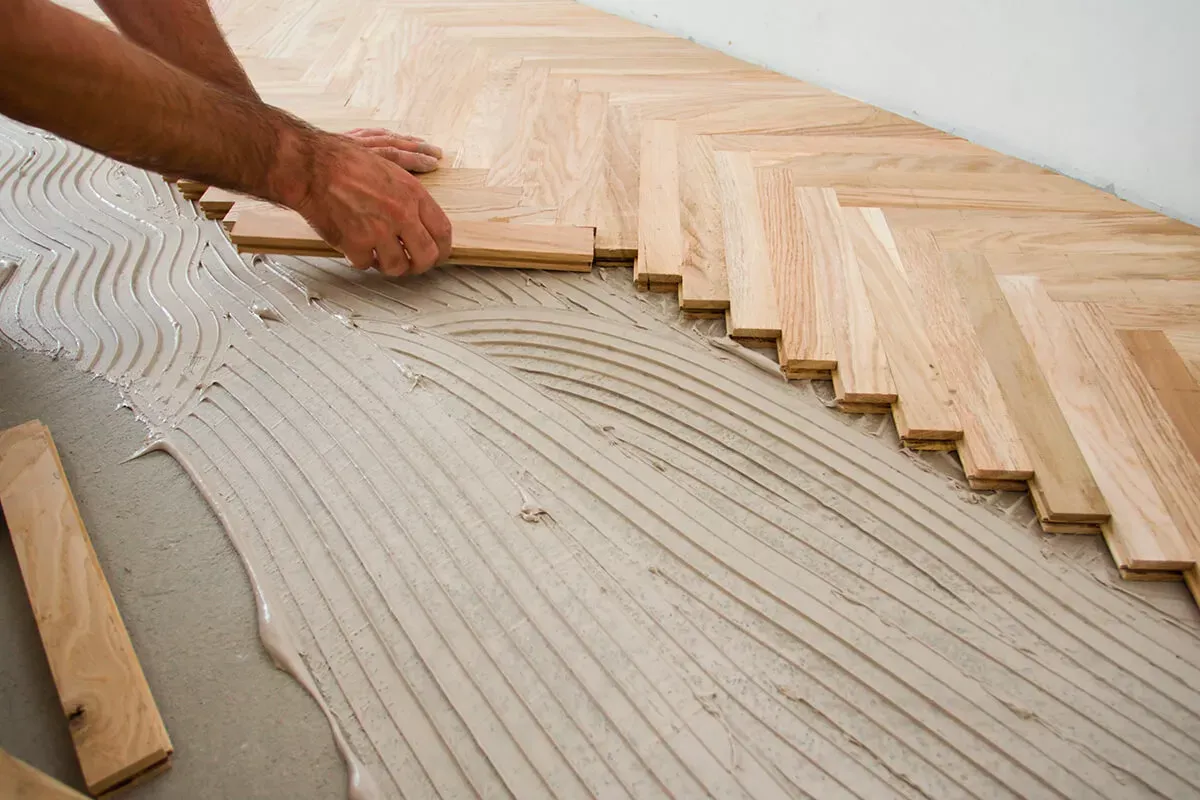
What is Parquet?
Types of Parquet and Their Advantages
Parquet is a flooring covering made from natural wood and is considered one of the highest quality, aesthetic and long-lasting flooring materials. Parquet flooring is widely used in homes, offices and various interior designs. Since it is made from natural wood, parquet is an environmentally friendly, health-safe flooring that can be used for many years. In parquet production, strong wood species such as oak, walnut, ash, pistachio, hornbeam, red oak, merbau, iroko, sapelli, wenge and others are mainly used. One of the highest quality and most durable parquet types is parquet made from oak wood. Oak wood stands out for its strength, resistance to wear and beautiful texture.
History of Parquet
Parquet was first used in Europe in the XIII–XIV centuries. At that time parquet was mainly installed in the homes of nobles and wealthy people. In the Middle Ages parquet became an integral part of palaces and luxurious houses. At that time parquet pieces made from oak boards were arranged in various patterns and the most popular flooring style was the “herringbone” design.
Main advantages of parquet
Parquet flooring has many advantages: • Low thermal conductivity – parquet flooring retains heat in the room better • Long-lasting material – with proper care it can be used for decades • Provides high sound insulation • Provides an aesthetic and stylish appearance • Can be installed in various patterns and designs • With professional installation there are no slipping or noise problems Over time the color of parquet may slightly change due to sunlight and some parquet types become even stronger over the years.
Disadvantages of parquet
Like other flooring materials, parquet also has some disadvantages: • Installation is a complex and time-consuming process • Sensitive to humidity and temperature changes • More expensive compared to other flooring materials
Types of parquet
There are various types of parquet available on the parquet market:
Strip parquet
Strip parquet is one of the most classic parquet types. This parquet consists of small rectangular wooden pieces and they are connected to each other with a special tongue and groove system. The main advantage of strip parquet is that it allows creating various designs and patterns on the floor. This parquet can be installed using both adhesive and nails. Strip parquet is a long-lasting, wear-resistant and repairable type of flooring.
Solid parquet
Solid parquet is made from large wooden boards.The main difference from strip parquet is its larger size. The length of solid parquet is usually 400–500 mm or more. Since more wood is used in the production of this parquet type, it is more expensive than strip parquet. Solid parquet is usually installed with adhesive and it is recommended to install it on a plywood base. The adhesive must not contain water or solvents. One-component or two-component reactive adhesives should be used. According to the surface finish solid parquet is divided into 2 types;
- Pre-finished solid parquet
- Unfinished solid parquet (Pre-finished solid parquet has oil coating or lacquer coating.)
Engineered parquet board
Engineered parquet can be produced from valuable wood on plywood and may consist of two or three layers of wood. A three-layer parquet board is made of three wood layers and each layer is placed perpendicular to the previous one. This technology makes parquet more resistant to humidity and temperature changes. Therefore engineered parquet is suitable for underfloor heating systems. • The lower layers are made from softwood species (pine, spruce etc.) • The top layer is a decorative surface made from the valuable wood species that gives the parquet its name Depending on the thickness of the top layer, engineered parquet can be sanded and lacquered up to 3 times which allows the parquet to be used for many years. This parquet type is considered easier to install and more cost-effective. Many engineered parquet types are equipped with a click locking system which allows floating installation. Engineered parquet boards with straight joints must be installed only using adhesive. Click here to explore multilayer parquet types.
Laminate
Laminate is sometimes called laminate parquet, but it is not exactly parquet. Laminate consists of boards made from compressed wood fibers and its surface is covered with a decorative layer that imitates wood. Modern laminate floors: • are more resistant to moisture • are more resistant to damage • are easier to install • have a much more affordable price
Factors affecting the price of parquet
• Wood type (The type of wood used in parquet production directly affects the price. For example parquet made from walnut wood is more expensive than oak parquet) • Thickness (As the thickness of parquet increases the price increases) • Surface finish (Lacquer, natural oil, UV oil etc.) • Production method (The price of parquet varies depending on whether it is factory produced or handmade. In factory production products are produced quickly in standard forms and series which results in lower costs. In handmade production parquet pieces are produced individually by craftsmen with special attention which results in higher production cost.) Although many flooring materials exist today, parquet made from natural wood is still considered one of the most prestigious and long-lasting flooring materials. Parquet adds natural beauty, warmth and comfort to the interior and always remains in fashion.
How to choose parquet
Choosing the right parquet is very important for the comfort of a home or office, the durability of the floor and the appearance of the interior. When choosing parquet several key points should be considered.
1. Choose the correct wood type
The quality of parquet mainly depends on the wood species used. The most commonly used wood types: • Oak – one of the strongest and most durable parquet types • Merbau – an exotic wood which is close to oak in strength, density and hardness. It is a reddish wood with yellow streaks • Walnut – provides a more premium and decorative appearance If you want parquet that lasts for a long time, oak parquet is one of the best choices.
2. Determine the type of parquet
The parquet type should be selected according to the use of the space. Main parquet types: • Strip parquet – classic and very durable • Solid parquet – made from fully natural wood and considered premium • Engineered parquet – easier to install and more resistant to humidity and temperature changes. Suitable for underfloor heating systems.
3. Consider the purpose of the room
When choosing parquet the purpose of the room is also important. For example: • Living room – decorative and high quality parquet • Bedroom – parquet with warmer tones • Office or high-traffic areas – stronger parquet
4. Color and design selection
The color of parquet should match the interior design. • Light colored parquet makes the room appear larger • Dark colored parquet gives the interior a more premium look
5. Thickness and quality of parquet
The thickness of quality parquet and the quality of the top layer affect its durability. High quality parquet wears less and can be used for a longer time.
6. Professional installation
Professional installation is very important for long-term use of parquet without problems. Incorrectly installed parquet may produce noise, create gaps and become damaged over time.
When choosing parquet the wood type, parquet type, room usage, design and installation quality must be considered. Properly selected parquet is both long-lasting and adds special beauty to the interior.
